
Understanding the psychological triggers that drive gambling behavior
The Allure of Risk and Reward
The thrill of gambling often lies in the intricate balance of risk and reward. Gamblers are drawn to the excitement of the potential win, which stimulates the brain’s reward centers. This rush can create a euphoric feeling similar to that experienced from other high-stakes activities, such as extreme sports or investing in volatile stocks. In fact, many players have found that fast withdrawal casinos can enhance this experience even further. The anticipation of winning, even if the odds are stacked against them, compels individuals to engage repeatedly in gambling activities.

Moreover, the psychology of intermittent reinforcement plays a critical role in gambling behavior. When players experience sporadic wins, it reinforces the belief that persistence will ultimately lead to a significant payoff. This cycle of winning and losing can lead to an addiction-like behavior, where the gambler continues to chase that elusive big win. The highs associated with wins can overshadow the lows of losses, making it difficult for individuals to recognize their unhealthy patterns.
Understanding the allure of risk and reward is essential for both players and those seeking to promote responsible gambling. By acknowledging the psychological triggers at play, individuals can cultivate a more balanced perspective on gambling and its potential consequences. This awareness may help mitigate impulsive behaviors and encourage more informed decision-making when participating in gambling activities.
The Role of Social Influences
Social dynamics significantly impact gambling behavior, often shaping individuals’ perceptions and attitudes towards risk. Peer influence can encourage people to participate in gambling, as social gatherings, such as poker nights or casino trips, create an environment where gambling is normalized. This social validation can amplify the excitement and make individuals feel less isolated in their gambling pursuits.
Additionally, the portrayal of gambling in media can skew perceptions, glamorizing the lifestyle associated with winning. Movies and television shows often depict gamblers as charismatic and successful, reinforcing the myth that anyone can strike it rich. These representations can lead to unrealistic expectations, making people more likely to gamble without fully understanding the odds and risks involved.
Awareness of these social influences is crucial in recognizing how they affect personal gambling habits. By understanding the social context in which they gamble, individuals can make more conscious choices. Establishing boundaries and seeking support from others can help mitigate the impact of social pressures, leading to a healthier relationship with gambling.
Cognitive Distortions and Gamblers’ Fallacy
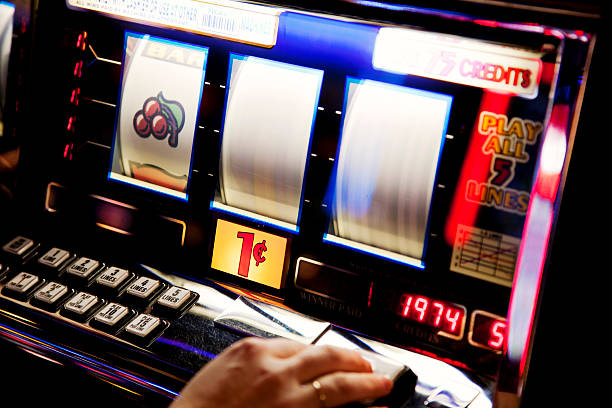
Cognitive distortions, particularly the gamblers’ fallacy, are significant psychological triggers that impact gambling behavior. Many individuals believe that past outcomes influence future results, leading them to think a particular game is “due” for a win. For instance, if a slot machine hasn’t paid out in a while, a gambler might feel that a payout is imminent, regardless of the machine’s random nature. This misconception can lead to persistent betting, often resulting in financial loss.
Another common cognitive distortion is the illusion of control. Gamblers often convince themselves that they can influence the outcome of games of chance, such as dice or card games, through skill or strategy. This belief can further entrench individuals in their gambling habits, making it difficult to step back and recognize the inherent randomness involved. The inability to distinguish between skill-based games and pure chance can have dire financial repercussions.
Recognizing these cognitive distortions is a crucial step in promoting healthier gambling behavior. By understanding how these psychological traps operate, individuals can take proactive measures to counteract their effects. Education on probability and the true nature of chance can empower gamblers to make more informed decisions and potentially reduce the risk of developing gambling-related issues.
The Emotional Aspect of Gambling
The emotional state of an individual plays a significant role in driving gambling behavior. Many individuals turn to gambling as an escape from stress, anxiety, or depression. The temporary relief that gambling offers can become a coping mechanism, leading them to associate gambling with emotional solace. This relationship can create a vicious cycle where emotional distress prompts gambling, and the losses incurred exacerbate that distress, leading to further gambling.
Moreover, the highs and lows of gambling can heighten emotional experiences. Winning can lead to feelings of euphoria, while losses often bring about disappointment and frustration. These fluctuating emotional states can create an addictive cycle, where the gambler continuously seeks the high of a win to escape the lows of a loss. Understanding this emotional connection is vital for those looking to address problematic gambling behavior.
To promote healthier relationships with gambling, it is essential to encourage alternative coping strategies for managing emotions. Developing skills such as mindfulness, stress management, and healthy social interactions can help individuals find relief without resorting to gambling. By addressing the emotional triggers that drive gambling behavior, individuals can work towards more balanced lifestyles and reduce the risk of developing gambling problems.
Exploring Responsible Gambling Practices
At Fast Withdrawal Casino Canada, we are committed to promoting responsible gambling practices. Understanding the psychological triggers that drive gambling behavior is a crucial step towards fostering a safer gaming environment. Our platform provides resources and information to help players make informed choices, ensuring that their gambling experiences remain enjoyable and within their means.
We believe in empowering players with knowledge about the psychological aspects of gambling. By highlighting the various emotional, cognitive, and social influences at play, we aim to equip individuals with the tools they need to recognize unhealthy patterns. Our focus is not just on fast payouts but also on encouraging responsible gaming behavior, supporting players in making decisions that prioritize their well-being.
Ultimately, responsible gambling is about maintaining control over one’s gaming habits. By fostering a culture of awareness and understanding, we can help players navigate the complexities of gambling while minimizing the risks associated with it. At Fast Withdrawal Casino Canada, we are dedicated to ensuring that every player enjoys a safe, fun, and responsible gaming experience.
