
The key for healthy, long-term weight loss and management is to use both diet and exercise (1). The key to healthy, lasting weight loss is finding a balance between diet and exercise. You are likely to become stranded on that dreaded weight loss plateau as your body adjusts to set workout habits. The exercise meant for weight loss won’t deliver the expected results if you aren’t fuelling your body with the right foods. Maybe your workouts feel too repetitive, or your meals need more variety. Whether you’re following a nutrition strategy — meal schedule, or workout routine, recording your daily food intake and activity levels helps you monitor calories consumed and burned.
Eat less saturated fat, sugar and salt
Smoothies are a popular pre-workout choice – and with good reason. They’re also low GI foods — which means the energy they provide is gradually released into your body. Giving your body a boost of potassium before a workout is also beneficial, as the mineral is lost through sweat. This helps with stamina — building strength and staying energised. To achieve peak performance during exercise — it’s important to fuel your body with healthy food. 3, 9, 10 Researchers speculate that sitting for many hours may change peoples’ metabolism in ways that promote obesity, heart disease, diabetes, and other chronic conditions.
You end up burning more calories throughout the day and this in turn helps with your weight management. joint flexi When you do strength training (your muscle tissue burns more calories at rest than fat tissue), so when you have more muscles, it can lead to you having a higher metabolism. Exercise can also help you to build muscle mass if that is one aspect of your weight management that you want to control.
Popular Articles

Varieties of Smith Machines Smith machines come in a few flavors, and the design can really change how the bar feels to lift. The fixed path can make things feel easier, but your joints might not agree. If you have to twist or reach awkwardly, adjust until it feels right.
This means paying attention to your food and the sensations you feel when you eat. Eating slowly also helps to reduce stress and improve digestion — which are important factors for overall health and weight management. This means that you are less likely to overeat and consume more calories than necessary. But if you use a bigger plate (the opposite will happen – the food will look smaller compared to the plate), making you feel like you haven’t eaten enough. This makes you feel like you’ve eaten enough even with a smaller serving.
Instead of focusing on numbers, monitor your intensity by focusing on your perceived effort—how difficult the workout feels. Another reality is that a healthy diet and exercise may save your life. Recently, the medical industry has started shining a light on the crucial impact diet and exercise have on mental health. With the right mindset (support), and resources, anyone can win the battle with weight management and achieve a healthier, happier life. Working with a qualified professional (such as a registered dietitian), certified personal trainer, or mental health practitioner, can provide personalized support, guidance, and education that is tailored to an individual’s specific needs. By reducing hunger and improving appetite control, exercise can help you with your weight management by reducing the cravings you have and the likelihood of you overeating and snacking on high-calorie foods.
Combining this with a high-protein diet stimulates muscle regeneration while decreasing hunger. Furthermore (combining the two allows people to better control their blood sugar), cholesterol, and inflammatory indicators, all of which are critical for long-term health. Mindful eating encourages individuals to slow down, savour their food, and listen to hunger and fullness cues. Healthy fats, including olive oil and avocado, should be consumed in moderation.
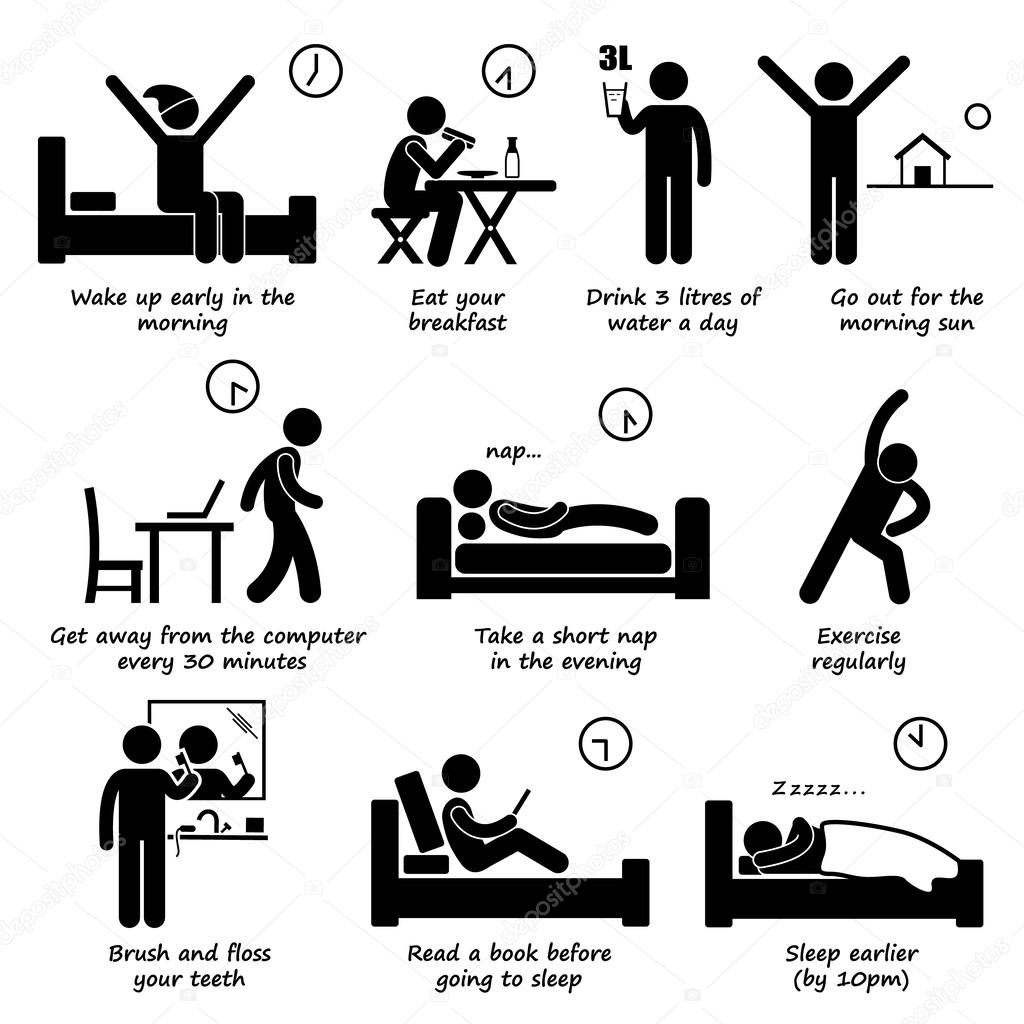
- When it comes to fueling up before or after a workout, it’s important to achieve the right balance of carbs and protein.
- Conversely (foods that are easily digestible), such as sugary or simple carbohydrates, can lead the body to feel hungry again much sooner due to their quicker digestion.
- Factors that may contribute include anxiety, stress, homesickness, a monotonous lifestyle, the pressure to maintain grades, procrastination, lack of organization, inattention, and meditation, among others.
- Your meals might require more diversity, or perhaps your workout routines feel overly repetitive.
This leads to a decrease in your food intake. Mastering portion control serves as the initial step in utilizing nutrition for weight management. In contrast — quickly achieving weight management through cosmetic procedures is not the objective. Here, the desired outcome is weight management, which occurs as a secondary benefit. While both methods yield the same results, this article emphasizes the advantages of using nutrition and exercise as a strategy.
When in a calorie deficit (the body enhances its energy preservation), although it mainly utilizes fat for energy. Studies indicate that diet is significantly more impactful on weight loss than exercise by itself. Many individuals think that working out intensely and burning extra calories is sufficient to offset an unhealthy diet. It is widely recognized that both elements are essential for maintaining fitness and achieving health goals. Understand how a poor diet can hinder your progress and how prioritizing healthy eating along with regular exercise can enhance your weight loss journey. Uncover the vital connection between diet and exercise for achieving your fitness aspirations.
The Role of Mindset in Combining a Healthy Diet and Exercise
Surprisingly (exercise can sometimes lead to weight gain), especially if you’re not following a healthy diet and indulging in unhealthy foods after workouts. These dietary strategies not only support a healthy gut microbiome but also contribute to making weight loss efforts more effective and sustainable. A balanced and nutritious diet is crucial not just for weight management — but also for maintaining hormonal equilibrium and supporting optimal physical and mental health. Unhealthy dietary habits can significantly disrupt hormonal balance, potentially making weight loss more challenging. This holistic method not only facilitates weight loss but also supports long-term health and fitness goals.
Brain teasers

It’s also important to remember that thirst is commonly misdiagnosed as hunger, resulting in unnecessary calorie intake. Diet has a substantial influence on calorie intake and key metabolic processes. Balanced weight loss also maintains muscle mass and reduces the likelihood of regaining fat. However, the quality of food consumed and the consistency of physical activity are as important as the calorie count. Diet and exercise both provide a unique contribution — and when used correctly, they can create long-lasting effects. Please include what you were doing when this page came up and the Cloudflare Ray ID found at the bottom of this page.
Consuming a healthy, balanced diet is a goal for many people. “This really made me want to tackle my weight issues and start eating healthier!” “So far, just reading this has me more encouraged to face my struggle of weight loss.”
